Showing up as an introvert with Goldie Chan
Episode 5 — DesignThinkers Podcast, Season 5

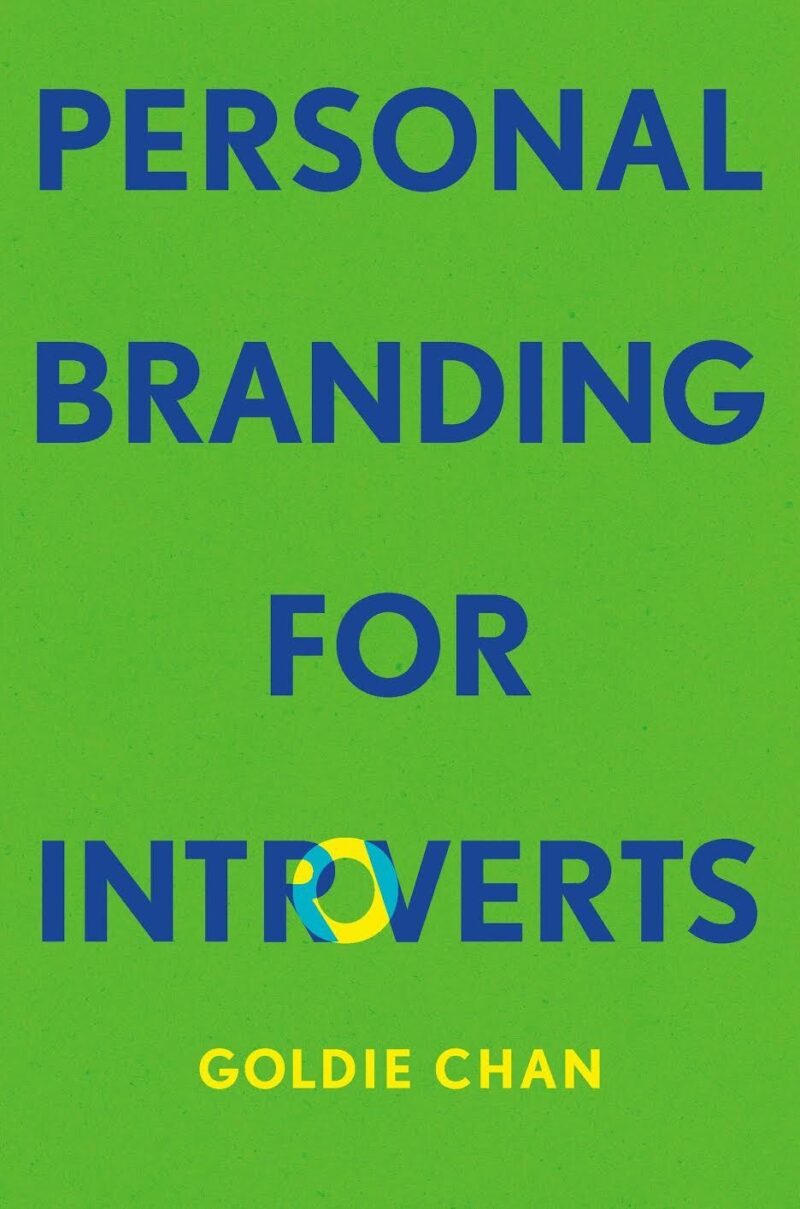
This episode of the DesignThinkers Podcast features Goldie Chan, author of Personal Branding for Introverts, founder of the social strategy agency Warm Robots and, according to the Huffington Post, the “Oprah of LinkedIn.” She earned that reputation almost by accident: she started posting a daily video on LinkedIn to push her introverted self to speak on camera and kept going until she had posted more than 800 in a row.
In conversation with RGD Past-President Nicola Hamilton RGD, Goldie goes back to a Stanford biology degree, a fashion brand that folded and the friends who nudged her into her first marketing job. From there, they get into the five Cs of personal branding, why she thinks the idea that introverts are quiet is a myth, how she protects her energy and a playful daydreaming exercise she uses to help people work out what they actually want. They also talk about her side projects, from writing for Archie Comics to producing film and why she chose to share her cancer journey publicly.
Starting over at 22
Goldie graduated from Stanford with a degree in biological sciences and three very different offers: an internship at an indie record label in New York, a graphic design job at a Bay Area startup and a spot in a prestigious research lab in San Francisco. She had also been designing CD covers for indie bands and running her own cut-and-sew fashion brand on the side. She turned down all three offers, deciding that at 21 she should “just go for it” with the fashion brand and could always find a nine-to-five job later.
Two years in, a big-box store wanted to carry her line. Goldie knew nothing about manufacturing at that scale, had no one to ask and couldn't find a co-founder who was the right fit. She folded the business and, by her own account, spent what she calls her “ramen and peanut butter sandwich era” deeply depressed.
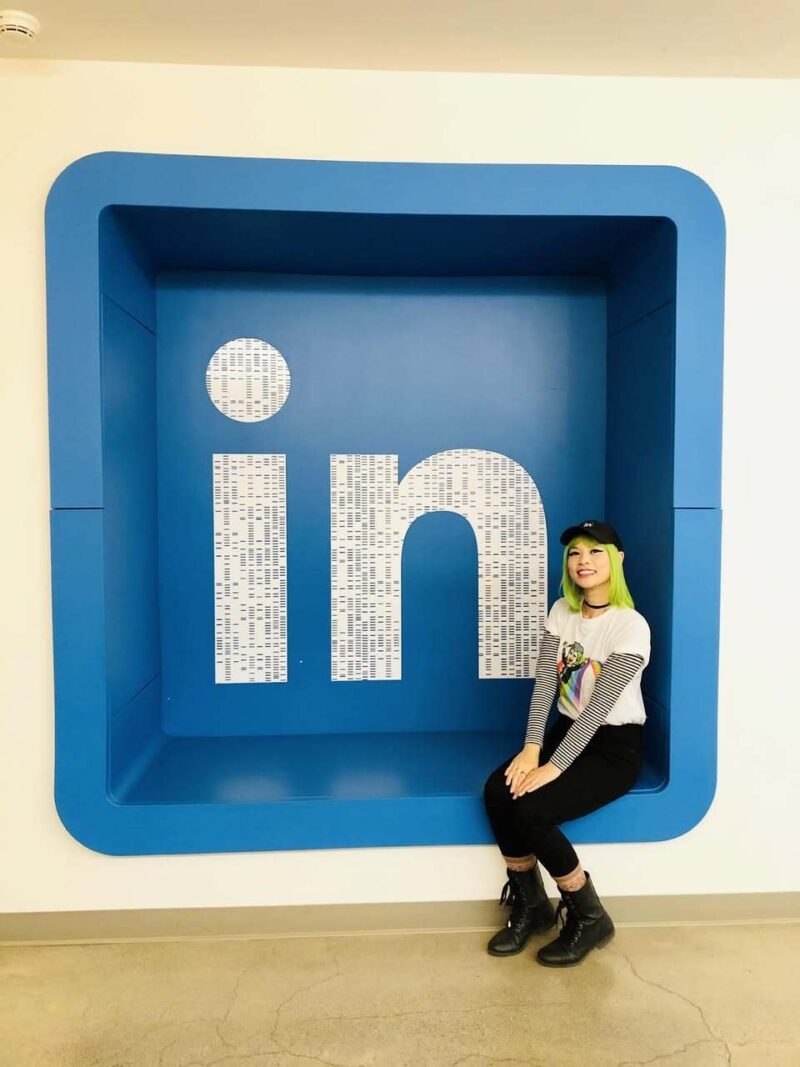

“I was 22 and I was like, everything is over. My life is done… But you never know. You never know.”
Goldie Chan, Founder at Warm Robots


What got her moving was what she calls a “friend intervention.” Her friends pointed out that her Sims character was lying on the ground sobbing and told her it was time to get a job, any job, just to get out of the house. She landed a marketing assistant role at a Bay Area startup and, as she tells it, that's what started her on marketing and branding. Looking back, she sees a through line: even her lab work, trying to isolate a single gene, meant running trial after trial, which is what she says creative people do all the time.

Showing up every day
By 2017, Goldie had worked her way up to head of marketing at a startup and was taking what she jokingly calls a sabbatical: a month between jobs. She started making videos for LinkedIn so there wouldn't be a gap on her résumé, and strategy clients began showing up almost immediately. She ended up building an agency to serve the clients she already had and, with income coming in, kept posting. The habit grew from 30 videos to 60, then 100, then 200 and ultimately more than 800 consecutive daily videos between 2017 and 2019, all edited by hand on her phone, long before AI made that kind of output easy.
The first batch was a grab bag of pop culture, branding and marketing: five facts about Pittsburgh, the branding history of Amtrak, the paste-up posters that appear on construction sites, a day at Disneyland. She gave herself one rule: no going home until she'd shot a video. For an introvert with social anxiety, all that practice talking to her phone in public is how she can speak on stage now.
Consistency, she says, taught her two things. The first is that showing up matters more than getting it right.
“It's better to show up and be bad than to not show up at all.” — Goldie Chan, Founder at Warm Robots
The second is that no single post carries much weight. Most people won't catch most of what you post, so posting every day gave her room to experiment with her voice without committing to a rigid idea of who she was.
Then there's the hair. Goldie's green hair started as a personal styling choice, not a branding decision: in 2017 she happened to have tennis-ball green hair, and as she took off on LinkedIn, people began pairing her with the green heart emoji. She's kept some shade of green ever since, apart from the stretch when she lost her hair during cancer treatment and today's shade, she says, is “a dirty matcha.”
The introvert battery
Goldie doesn't pretend to be an extrovert, and she's practical about what that rules out. If a party runs five hours, she'll stay for an hour or two unless she's agreed otherwise with the host. Socializing drains her, so she plans around it.
“I call it my introvert battery. I like to make sure that my introvert battery is doing well.” — Goldie Chan, Founder at Warm Robots
She takes aim at the biggest myth she runs into: that introverts are quiet.

“I think the biggest myth around introverts is that all introverts are quiet. I have a section in my book called the loud introvert because I think when you get an introvert talking about what they really care about, they are so loud, they are so passionate about that.”
Goldie Chan, Founder at Warm Robots
Small, intentional gatherings suit most introverts better than big networking events for the same reason.
“Many introverts are like this; we prefer deep connections with others over superficial connections with a thousand people.” — Goldie Chan, Founder at Warm Robots
Her tips for the conference floor and beyond are practical. When your battery runs low, step outside or head back to your hotel for an hour and spend at least two minutes of a 10-minute break away from your phone. If introducing yourself feels uncomfortable, write a short phrase down (she's a fan of Post-it notes) and say it out loud until a version feels natural. And if being on camera is the hurdle, record yourself talking about one idea for under a minute, five times, without watching any of the recordings, then review the sixth.
Where to start with a personal brand
Goldie's framework is the five Cs of personal branding: clarity, consistency, competency, confidence and community. Clarity comes first. It means knowing why you want a personal brand at all and, instead of defining your audience by age and demographics, whether you're speaking to peers, potential clients or the general community, since each changes how you talk.
For a first step that doesn't require standing out, she points introverts toward the comments section.

“Find five creators that you like that have under 50,000 followers… and start commenting on the videos or the photos or whatever it is that you enjoy. Start being part of the community.”
Goldie Chan, Founder at Warm Robots
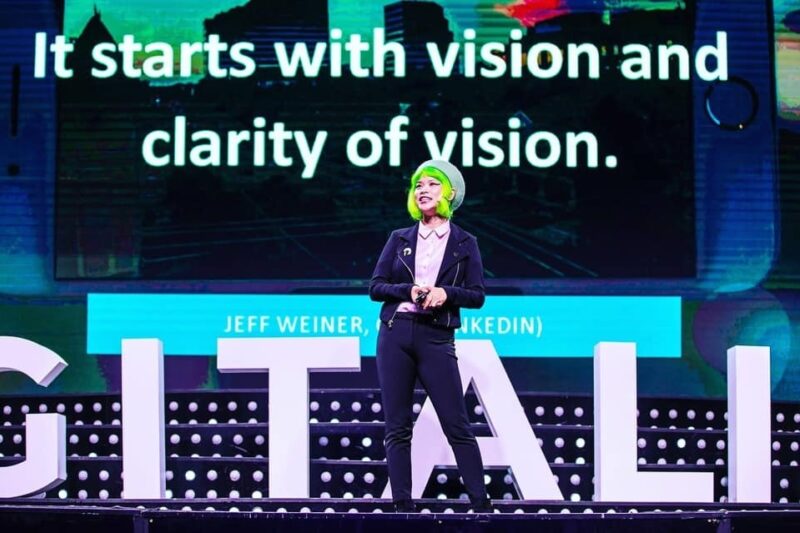
She advises both individual leaders and brands through Warm Robots. With brands, the conversation turns to supporting the introverts on their teams and to ambassador programs, which she calls underrated. A real ambassador, she says, isn't someone who posts your discount code online; it's someone who uses your product in their daily life and believes in it.
Luck meets preparation
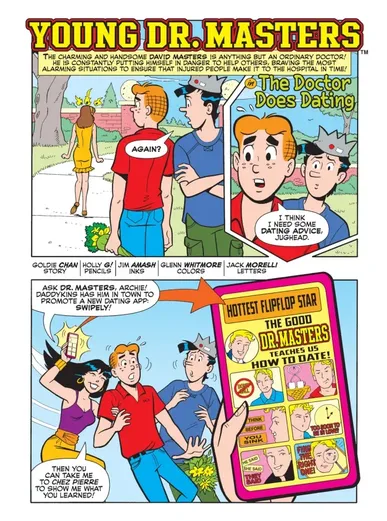
Goldie's side projects have a way of becoming more than side projects. As a senior contributor at Forbes, her lane was personal branding and storytelling in the digital age, and she used it to interview Archie Comics about how the brand had evolved. When the company's president later asked whether there was anything she'd always wanted to do, she told him that writing an Archie comic had been a lifelong dream. He invited her to pitch one. She delivered the story within 24 hours, because she'd known it for years, and it was approved right away. As she puts it, luck meets preparation.
She also produces film. She's helping produce an Asian American ghost story horror feature and recently produced POW, a short film about a Native American kid looking for somewhere to charge his Game Boy at a powwow, which was nominated for an Emmy. Right now, she's drawing an absurdist workplace comic entirely in Sharpie, a deliberately analog counterweight to a career spent making digital videos. Asked what 22-year-old Goldie would make of it all, she says she'd be “eating their ramen a little bit less sadly.”


Deciding what to share
Before you post a lot, Goldie says, you need to know where your boundaries are. For some people, it's family. For others, it's health. Some share everything about their personal lives but never where they work. She shares a lot, she says, but not everything: she's never posted about certain friendships because she knows how those friends feel about being online.
Her cancer diagnosis in 2022 was something she chose to make public. Diagnosed under 40, she was classified, in the United States, as an adolescent and young adult (AYA) patient, and nobody in the treatment room looked like her. On two occasions, older women cut ahead of her in line, assuming she was there as someone's caretaker. She hoped sharing her story would help other young patients feel less ashamed.

“As a society, we still have shame around cancer and we still have shame around sharing big health issues… I thought it was important just to share it so people feel more comfortable in their own voice sharing a really difficult journey.”
Goldie Chan, Founder at Warm Robots
After she went public, many people told her privately that they'd never shared their own health struggles. She turned down all sponsorships while she was in treatment, since this wasn't about likes or business, and the response was largely supportive. It also led to a silver lining: a chance in-person meeting with LeVar Burton, who had followed her story online.
Ideal daydreaming
Goldie closes with an exercise she uses to help people work out what they actually want.
“I call it ideal daydreaming. And basically you take the idea of, okay, what is your best day?… and you map out that full 24 hours.” — Goldie Chan, Founder at Warm Robots
The trick is to keep it realistic. She isn't asking for the yacht and the island (you wouldn't spend all your time there anyway), but for the day you'd build with your current money or just a little bit more. One friend's ideal day came down to a morning walk and coffee with his partner, lunch he cooked for her and supper with their neighbours. Goldie's includes clearing her inbox, a proper lunch, dinner with her partner and a quiet night. She also asks who you're spending the day with and, for entrepreneurs, which clients you'd most want to work with. Nicola's takeaway: once you write the day down, it's probably not as hard to put into action as you'd expect.
Related Articles







Sponsored