Managing your creative inputs with Emmi Salonen
Episode 2 — DesignThinkers Podcast, Season 4

This week’s episode features Emmi Salonen, a Finnish graphic designer and art director.
In her conversation with RGD President, Nicola Hamilton RGD, Emmi reflects on managing creative inputs and sustaining a long-term creative practice, diving into topics such as burnout, systems, slowness, education and more. She also speaks about typography, control, joy and the subtle warning signs designers often ignore when pushing themselves too hard.
This episode is for anyone who loves design—and wants to keep loving it.

Writing her latest book
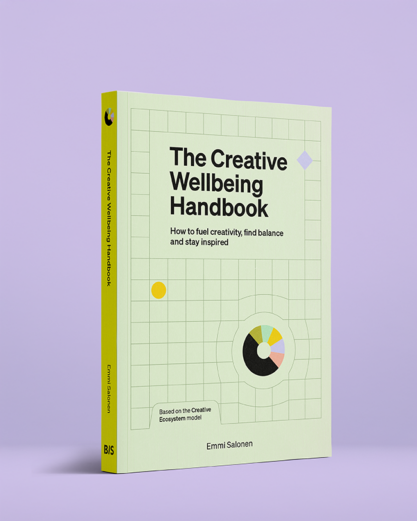
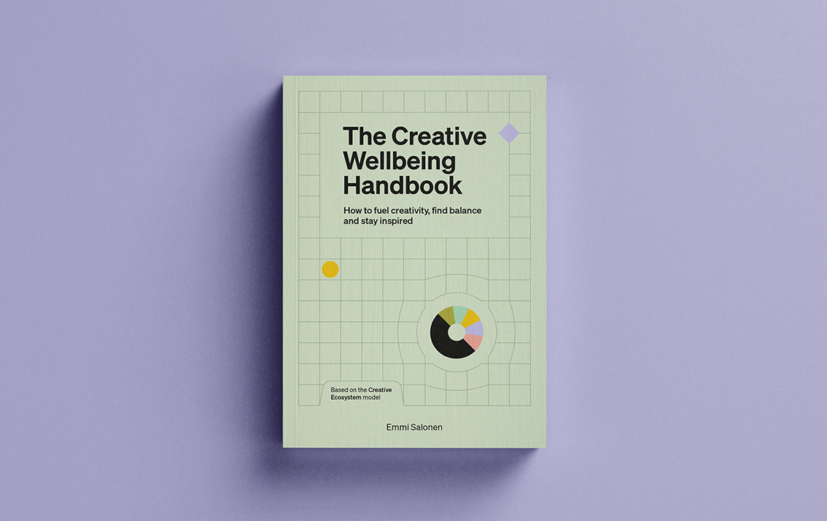
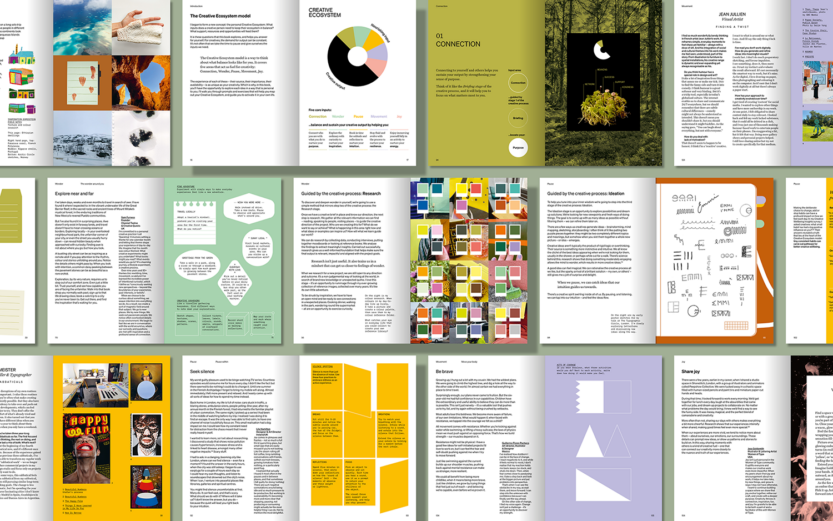
The conversation begins with Emmi’s latest book, The Creative Wellbeing Handbook.
“It’s my second book, but I would say it’s the first one that’s really written,” she explains. “My first book felt more like a picture book for graphic designers, with lots of images, whereas this one goes much deeper into the thinking.”
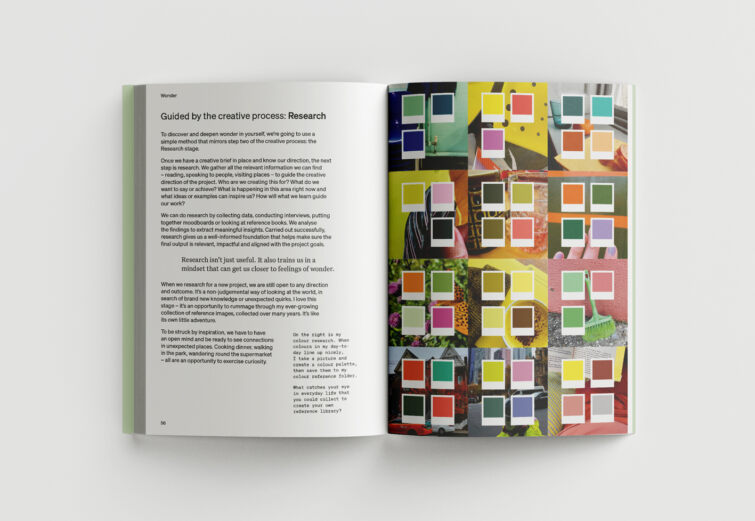
The Creative Wellbeing Handbook
Finding a writing rhythm
Reflecting on the experience of writing The Creative Wellbeing Handbook, Emmi shares that the process reveals a very different way of working compared to her design practice. Writing requires longer stretches of quiet focus and reflection, prompting her to develop routines and structures that help support the work. One of the most important shifts is her quiet morning writing routine.

“I woke up with the sunrise and wrote with the sunrise and it was always sort of two, three hours in the mornings. And then that became a really nice routine with the birds singing and the sky changing colour.”
Emmi Salonen, Founder of Creative Ecosystem


Emmi also reflects on how writing the book challenged her creatively.
“I was really surprised how hard the writing was at times. I really had to tell myself, ‘Look, you’re writing about this, you’re writing about the solution—listen to your own advice. Go for a walk and have a break, take the pause and trust it.”
“It’s not that you’re never going to have challenging thoughts and feelings—those are always going to be there. It’s just how you choose to deal with them.”


Bringing the book to life
Emmi shares how the book developed over several years. The ideas behind it evolved through talks, workshops and ongoing research around her Creative Ecosystem model before becoming a full publication.
"It was brewing for a couple of years and I did a lot of research behind it. Then I started approaching it in a more structured way—deciding the chapters and putting my reference notes under each one."
Throughout the process, Emmi also drew on conversations with a wide network of contributors and supporters who helped shape the thinking behind the book.
Emmi's book launch brunch


The Creative Ecosystem model
A detailed discussion about her Creative Ecosystem model, a framework she developed through years of research, explores how creative people sustain their practice over time. Rather than focusing only on productivity or output, the model emphasizes the inputs that nourish and support creative work, describing creativity as an ecosystem where different elements work together to maintain a healthy creative practice. When these elements are balanced, creativity can flourish; when they are neglected, burnout and creative exhaustion are more likely to occur.

Making space for creative play
“It was maybe a bit ironic that during the writing process I was really leaning on the Creative Ecosystem model to trust the process and help me with the challenges that any creative deep dive brings.”
Beyond professional design work, Emmi also speaks about the importance of nurturing creativity through personal creative practices. Returning to simple acts of making can help reconnect designers with the joy and curiosity that first drew them to creative work.
One example she shares was returning to watercolour painting as a way to reconnect with that creative instinct.
“It could just be finally getting my watercolours out because I hadn't used them for so long and doing that thing… I think there's a lot of good that comes from that and tending to that in the artist.”


She also speaks about how collecting simple materials can spark creativity in unexpected ways. One example she mentions is her growing collection of coloured paper—something she finds herself looking for whenever she visits a shop.

“This is going to sound so silly, but I’m trying to grow my colour paper collection because I love them. Whenever I go to a shop—even a supermarket—I always check if they’re selling any A4 coloured papers.”
Emmi Salonen, Founder of Creative Ecosystem
For Emmi, these small creative rituals are not about producing finished work, but about nurturing curiosity, play and the creative instinct.