
The RGD launches Season 4 of the DesignThinkers Podcast
First episode: On Finding New Ideas in Old Things with Elizabeth Goodspeed

The DesignThinkers Podcast is back for Season 4. Hosted by RGD President, Nicola Hamilton RGD, this season features candid conversations with speakers for our DesignThinkers Conference taking place in Vancouver on May 26 and 27.
The first episode, On Finding New Ideas in Old Things, features Elizabeth Goodspeed—an independent designer, art director, writer and educator.
In the episode, she speaks about her interest in archives and ephemera developed into a creative method, and how design history can inform new work and support original thinking.


Creativity as a form of making
Early on, Elizabeth reflects on a popular meme contrasting how “normal people” see the world with how creatives supposedly experience it—turning everyday moments into something fantastical.

While humorous, she suggests this narrative can be misleading.

“I do think the idea of the artist as this imaginative creature is sort of a little naïve. There was a really funny meme going around for a while that showed a normal person looking into an oven — like "how normal people see the world"—and then how “creative people” see it, where a woman looks in and a dragon is flame broiling her steak. To me, that’s damaging because it suggests that we’re this kind of noble savage where images just move through us and we see everything in this Willy Wonka kind of way. In reality, I think it’s a process just like any other making process, whether that’s a carpenter or a writer. At its best, it’s methodical and not just this inspired bolt of lightning.”
Elizabeth Goodspeed
Her perspective reframes creativity as something built through practice and structure rather than spontaneous genius.
Archives as a creative practice
The episode also sheds light on how Elizabeth got into design and her ongoing project Casual Archivist—a design history-focused newsletter that shares ephemera, packaging and printed matter from historical archives. She explains how this work grew out of a long-standing instinct to collect and document objects that captured her attention.

“I’ve always been a collector at heart. And I think for a long time I didn’t really see the connection between collecting and making. But in design school I had an assignment where we had to redesign a book using only material from the original. And that was the first time I realized that these two things that I was doing—making stuff and collecting stuff—there was sort of a point between them at which they could become one practice.”
Elizabeth Goodspeed

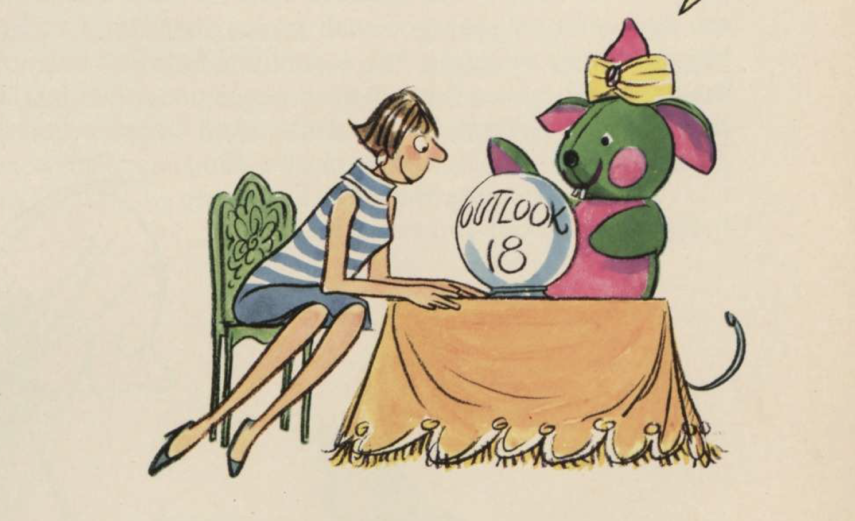
This insight ultimately shaped Casual Archivist, where archival material becomes a way to study how visual language evolves over time.
The concept of a corporate archive
Elizabeth also expands this thinking beyond personal collections to institutional archives. She reflects on discovering the concept of a corporate archive through her fascination with the Sainsbury grocery archive.
“I fell to my knees in a Sainsbury… I’m really obsessed with the Sainsbury grocery archive.” Says Elizabeth
She points to examples like Sainsbury and Avon as organizations that documented their own visual histories—including internally developed packaging systems created by in-house design teams.


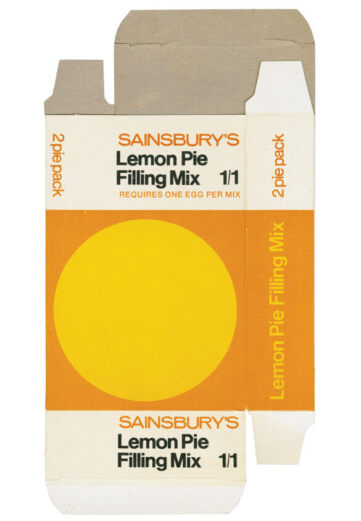
These examples show how visual systems evolve within real-world business contexts over time and demonstrate that design history lives not only in museums or private collections but within organizations themselves—shaped by internal teams, technologies and cultural shifts.
A shared creative system
She spoke about her article All Advertising Looks the Same These Days. Blame the Moodboard, where she describes how mood boards circulate across creative teams.

“Photographers said art directors send them mood boards and everything looks the same. Art directors said clients send them mood boards and everything looks the same. Clients said photographers send them mood boards and everything looks the same. And in some ways they all were, and all weren’t.”
Elizabeth Goodspeed

Rather than placing blame, she points to a shared creative system where reference imagery continuously shapes outcomes. This reinforces a central theme—that design is influenced as much by process as by individual creativity.
People are more the same through time
When discussing how history informs her view of the present, Elizabeth observes:
“I think looking at history generally, people are so much more the same throughout time than they are different.”
“I like vintage Tim Hortons… Canadian Tire… there’s some good Canadian Tire ephemera.” offers Elizabeth
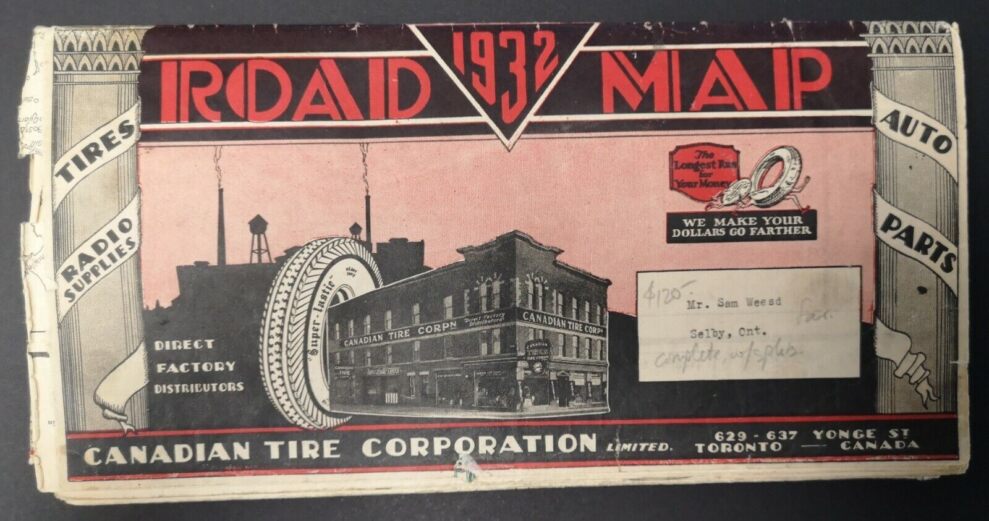
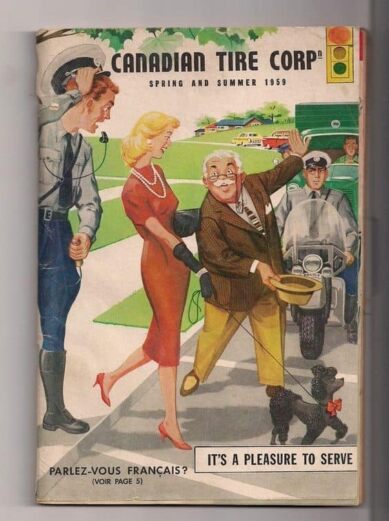
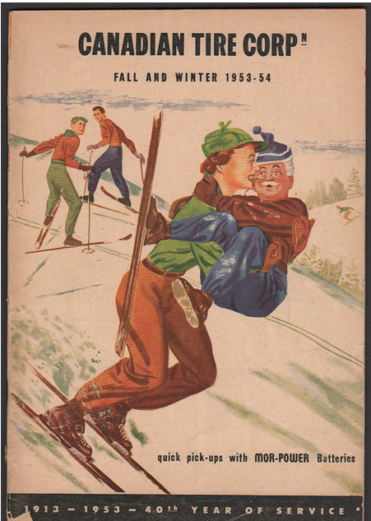

This perspective extends to everyday design culture. She points to familiar Canadian references—from interpretations of the maple leaf to vintage Tim Hortons and Canadian Tire ephemera — as examples of how visual identity is shaped not only by formal archives but by daily environments.
Tag
Related Articles


Sponsored