
Past winners offer advice for entering this year's Branding Awards

The 2026 RGD Branding Awards are open for entries, recognizing and celebrating the best in branding and identity design worldwide. Open to large and small studios, firms, in-house teams and students, these awards provide an opportunity for designers at all levels to showcase their work and gain industry recognition.
To help guide you through the process of selecting projects to submit and preparing standout entries, we invited some past winners to share their experiences, from choosing their projects to preparing their submissions, as well as the impact of the recognition and their advice for this year's entrants.
How did you decide which project(s) to submit for the RGD Branding Awards?
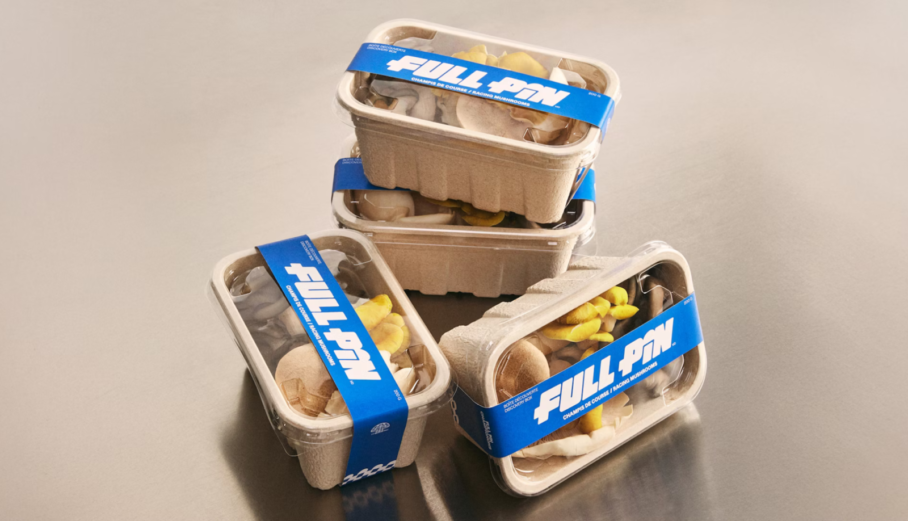
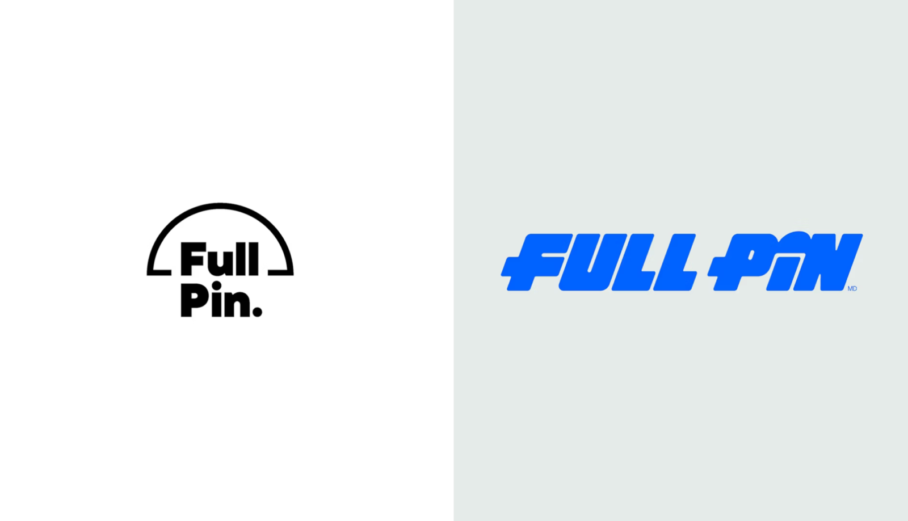
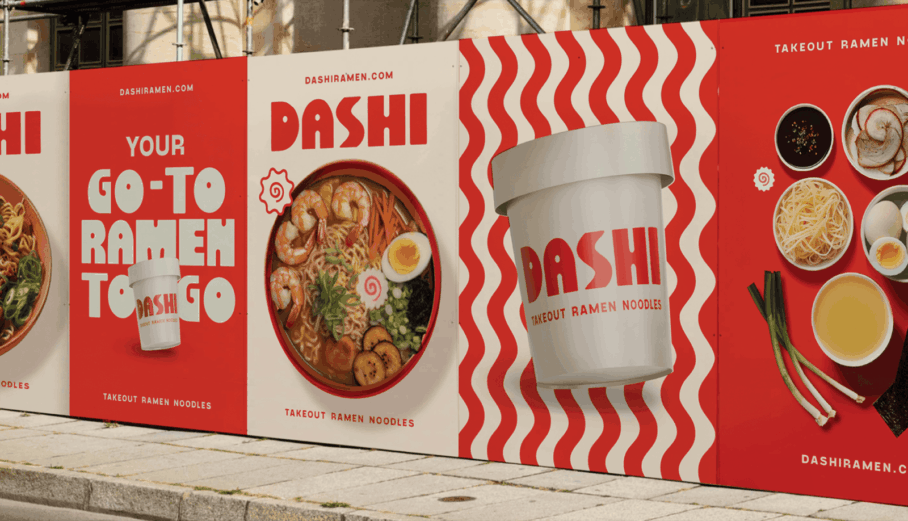
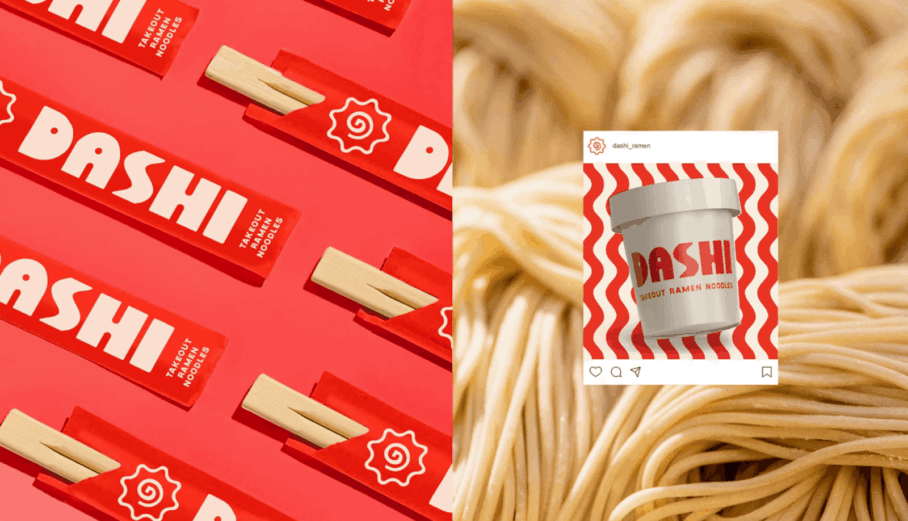
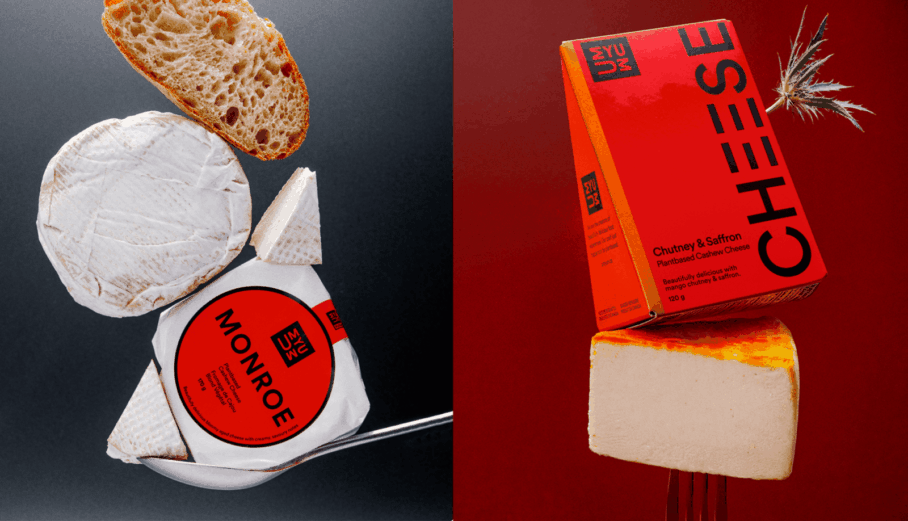
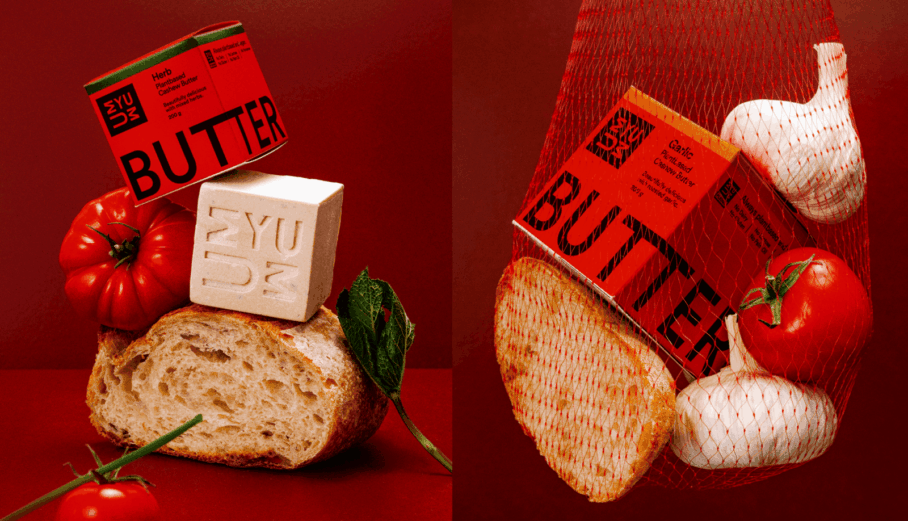
We only put forward work that proves our core belief: brands should have a pulse. For the RGD Branding Awards, we submitted unmistakable identities that didn't just look great, but actively transformed businesses into cultural forces. — Hans Thiessen RGD, Partner & ECD of Design at Rethink
What did receiving an RGD Branding Award mean to you and your client?
Having submitted an in-house project, receiving an RGD Branding Award meant a lot to our whole team. The mural was a labour of love with so much thought, care, conversation and hands-on effort behind it, so having that recognized felt really validating. It gave us a fresh sense of pride in the space we had created and made us even more excited to share it with people who visit the studio; not just as a piece of artwork, but as a way to talk about the values and communities it represents. The award reminded us that work rooted in collaboration, respect, place and meaningful tribute can resonate quietly but powerfully. — Quentin Mawson RGD, Art Director at Fathom Studio
For our internal team, these are sometimes the first professional awards that some of our designers are receiving. Having something tangible to point to and something that shows the work was well received by the industry is encouraging and validating. Our branding award for SERIF also meant a lot to our client team, who we’ve collaborated with on a number of projects over the years. It felt like a moment of camaraderie: all of us acknowledging not only this project, but the body of work we’ve built together over time. — Zia Somjee RGD, Partner, brand designer and creative strategist at ZAK
What made you choose the RGD Branding Awards as a platform to showcase your work?
At the time, I was looking for an accessible and approachable way to submit work that I had already documented through my studio case studies and portfolio. The RGD Branding Awards felt very aligned with the kind of work I love creating at Super Studio: thoughtful branding projects built around strategy, storytelling and personality, not just aesthetics. As an independent studio, I also appreciated that the work could be evaluated through both the creative execution and the thinking behind it. The process itself became a great opportunity to pause, revisit the project and reflect on everything that shaped it along the way. — Carolane Godbout RGD, Designer & owner at Super Studio
For the team at ZAK, an awards program that attracts global submissions immediately feels high profile and internationally recognized. I’m also always drawn to programs with a credible jury, and the RGD Branding Awards definitely stood out in that regard. — Zia Somjee RGD, Partner, brand designer and creative strategist at ZAK
Design is nothing without community, and the RGD is the ultimate champion of ours. We chose this platform because we want to measure our work against the best in the industry while supporting the organization that elevates us all. — Hans Thiessen RGD, Partner & ECD of Design at Rethink
How has this recognition impacted you or opened up new opportunities?
For me, the recognition was less about a dramatic shift in my business and more about a meaningful personal and professional milestone. Running an independent studio often means moving quickly from one project to the next without always taking time to reflect once the work is out in the world. Having a project recognized by peers felt incredibly rewarding, but being named Best of Show in the Solo Designer category made the experience even more meaningful. It felt like a strong reminder that independent studios and solo creative practices can build branding work with just as much depth, strategy and personality as larger teams. More than anything, it reinforced my confidence in continuing to create thoughtful, immersive and deeply human brand experiences through Super Studio. — Carolane Godbout RGD, Designer & owner at Super Studio
The recognition has given the whole studio a real boost. Seeing the mural every day with so many of our projects, clients and values reflected in it has made the space feel even more meaningful. It’s become a vibrant meeting place for team gatherings, presentations and events (including the RGD's Minds of Design events) and the artwork has naturally become part of Fathom’s wider brand language. It’s also encouraged us to explore more mural work and bring community artwork into other branding and placemaking projects. — Quentin Mawson RGD, Art Director at Fathom Studio
How long did it take you to prepare your entry submission?
Since the project had already been carefully documented for my portfolio and case studies, the submission process itself was actually quite efficient. Most of the time went into refining the storytelling, selecting the strongest visuals and making sure the strategic thinking behind the work was communicated clearly. I’d say the entire process took a few focused hours spread out over about a week. One thing I appreciated about preparing the submission was that it pushed me to step back from the day-to-day studio pace and look at the project more holistically, from the initial strategy all the way to the final brand experience. — Carolane Godbout RGD, Designer & owner at Super Studio
Full transparency? We obsess over our submissions, pouring weeks into refining everything from the case study videos to the narrative arc. It’s an investment, but crafting a compelling story not only wins awards; it doubles as a powerful engine for our new business efforts. — Hans Thiessen RGD, Partner & ECD of Design at Rethink
Have you noticed any changes in client perception or business growth since winning the award?
The mural has definitely shifted the way people experience our office. Clients often comment on it as soon as they arrive, which makes it a great ice-breaker and a natural way to start talking about our work. It softens the space, replacing what could have been an area that felt quite stark, with something warm, friendly and colourful. While it’s hard to measure direct business growth, it has absolutely helped communicate who we are before a meeting even begins. — Quentin Mawson RGD, Art Director at Fathom Studio
Continuing to build our accolades as an award-winning agency is always valuable, and being recognized by a Canadian-run awards program means a lot to our local clients in particular. — Zia Somjee RGD, Partner, brand designer and creative strategist at ZAK
What advice would you give to designers preparing submissions for the Branding Awards 2026?
Don’t focus only on making the work look beautiful. The strongest branding projects usually come from strong thinking first. Show the context, the challenges, the decisions and the personality behind the work just as much as the final visuals. I also think it’s important to submit projects that genuinely reflect the kind of work you want to keep attracting in the future. Awards can become a really powerful way to position your practice when the projects feel fully aligned with your voice, your values and your approach as a designer. — Carolane Godbout RGD, Designer & owner at Super Studio
Build a narrative that proves why your work matters. Your submission should be as creatively rigorous as the project itself. If it is, you’ve already won. — Hans Thiessen RGD, Partner & ECD of Design at Rethink
We would recommend approaching the submission with honesty and clarity. The work shouldn't need overstating; with a focus on what made it meaningful, and why you approached it in a certain way being the most important aspects. It's helpful to document the process from conception to application, cohesively presenting everything, so the written application, visuals and overall format all feel connected and easy for the jury to follow. — Quentin Mawson RGD, Art Director at Fathom Studio
Put your best foot forward and create context wherever you can. It’s never just about which projects you submit, but also how you showcase them. Judges have a short amount of time to review a lot of work, so every frame, slide and piece you include should help communicate the story and strategy behind the solution. Make it easy for them to understand why the work is great—not just that it looks good. — Zia Somjee RGD, Partner, brand designer and creative strategist at ZAK
Tags
Related Articles


Sponsored


